
How to Stop Snacking Between Meals: Break the Snacking Habit

You eat healthy meals but then sabotage yourself with constant snacking between meals. By the time you add up all the snacks you've consumed hundreds of calories. Snacking is one of the biggest saboteurs of weight loss. Most people don't realize how much they eat in snacks. The good news is that stopping unnecessary snacking is completely achievable with the right strategies.
In this article we'll share proven techniques to break the snacking habit and stop eating between meals. These strategies address the root causes of snacking not just willpower.
Why You Snack Even When Not Hungry
Most snacking isn't about hunger. It's about habit boredom stress or emotional needs. Understanding your snacking triggers is the first step to stopping.
Common snacking triggers:
- Boredom when you have nothing to do
- Stress when you feel overwhelmed
- Habit eating at certain times automatically
- Emotional eating when sad or lonely
- Proximity having snacks visible and accessible
- Social eating when others are eating
- Thirst mistaking thirst for hunger
Once you identify your triggers you can address the real problem instead of relying on willpower.
Strategy 1: Remove Snacks from Your Home
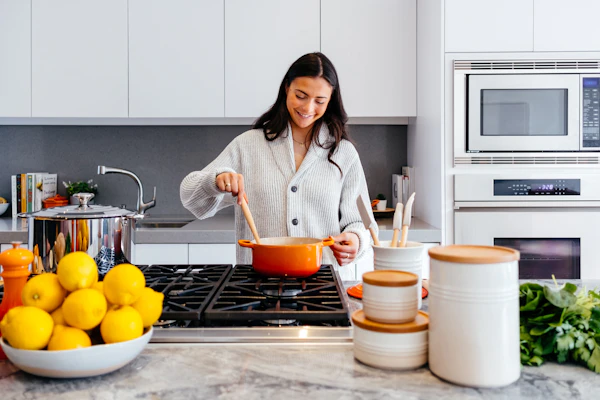
The easiest way to stop snacking is to not have snacks available. Out of sight truly is out of mind.
Remove from your home:
- Chips cookies and crackers
- Candy and sweets
- Sugary drinks and sodas
- Pastries and baked goods
- Ice cream and frozen treats
- Anything you mindlessly eat
Keep only:
- Fresh fruit and vegetables
- Nuts in small portions
- Greek yogurt
- Cheese
- Whole grain crackers
If you want to snack you'll choose healthier options because that's what's available.
Strategy 2: Eat Satisfying Meals
Much snacking comes from meals that don't satisfy hunger. Satisfying meals include protein fat and fiber which keep you full for hours.
Meal components for satiety:
- Protein 30 to 40 grams per meal
- Healthy fat from oils nuts seeds
- Fiber from vegetables whole grains
- Adequate calories not too restrictive
Example satisfying meals:
- Chicken breast with sweet potato and broccoli
- Salmon with quinoa and vegetables
- Ground beef taco bowls with beans
- Egg scramble with whole grain toast
Eating satisfying meals eliminates most snacking because you're genuinely full.
Strategy 3: Drink More Water
Thirst is often mistaken for hunger. Many people snack when they're actually just thirsty. Drinking more water naturally reduces snacking.
Water for reduced snacking:
- Drink water first when cravings hit
- Drink 8-10 glasses daily minimum
- Keep water bottle with you always
- Drink before and during meals
- Drink between meals as snack replacement
Why water helps:
- Fills your stomach without calories
- Keeps you from confusing thirst with hunger
- Boosts metabolism slightly
- Increases feeling of fullness
Strategy 4: Address Emotional Eating

If you eat when stressed sad bored or lonely you're using food to cope with emotions. Breaking this cycle requires finding other ways to cope.
Replace food with other coping strategies:
- Exercise when stressed go for a walk or workout
- Call a friend when lonely talk instead of eat
- Practice meditation or deep breathing
- Journaling to process emotions
- Take a bath or shower to relax
- Do a hobby or creative activity
Ask yourself before snacking:
- Am I physically hungry or emotionally hungry?
- What emotion am I trying to avoid?
- What would help more than food?
- Will eating actually solve this problem?
Strategy 5: Create Snacking-Free Zones and Times
Make certain times and places snack-free to break the automatic snacking habit.
Snacking-free boundaries:
- No snacking in the car
- No snacking while watching TV or working
- No snacking in the office
- No snacking within 2 hours of bedtime
- No snacking between set meal times
This breaks the automatic habit and forces you to consciously choose snacking instead of doing it mindlessly.
Strategy 6: Practice Mindful Eating
When you do eat practice mindful eating. Eat slowly without distractions and really taste your food. This increases satisfaction and reduces overeating.
Mindful eating practice:
- Sit down to eat not standing
- No screens while eating
- Chew slowly 20-30 times per bite
- Put fork down between bites
- Notice flavors textures and aromas
- Eat until 80 percent full not stuffed
Strategy 7: Use the 20-Minute Rule
When a craving hits wait 20 minutes. Most cravings pass within this time. You'll realize you weren't actually hungry.
The 20-minute rule:
- When you want to snack set a timer
- Drink water or tea while waiting
- Do something else distract yourself
- After 20 minutes if still hungry eat
- Usually the craving will have passed
Strategy 8: Plan Satisfying Snacks

If you must snack plan satisfying options that support weight loss rather than sabotage it.
Satisfying healthy snacks:
- Apple with almond butter
- Greek yogurt with berries
- Hard boiled eggs
- Cheese and whole grain crackers
- Nuts portion controlled
- Veggie sticks with hummus
- String cheese
Plan not impulse:
- Decide snacks in advance
- Portion them into containers
- Have specific snacking times
- Don't keep unlimited snacks
Your Anti-Snacking Plan
Here's your complete plan to stop snacking between meals.
Your snacking elimination plan:
- Today: Remove all tempting snacks from home
- This week: Identify your snacking triggers
- This week: Plan satisfying meals for fullness
- Daily: Drink 8-10 glasses of water
- Daily: Use 20-minute rule for cravings
- Daily: Address emotional eating with alternatives
- Ongoing: Keep snacking-free zones and times
Final Thoughts

Snacking is a habit not a character flaw. Habits can be broken with the right strategies. By removing triggers eating satisfying meals and finding alternatives to emotional eating you can completely eliminate the snacking cycle. Most people find that once snacking stops weight loss becomes effortless.
The key is addressing the root cause of snacking not just trying to resist. Use these strategies and you'll naturally stop snacking between meals.
Stay fit. Stay healthy. Stay vital.
— VitalFit USA Team


Comments
Post a Comment