
How to Lose Weight Without Exercise: 10 Diet Tricks That Work
What if you could lose weight without stepping foot in a gym or doing a single formal workout? Sounds too good to be true right? But the reality is that diet accounts for roughly 80 percent of weight loss results. Exercise is important for your health but it's not the primary driver of fat loss. What you eat is.
Whether you're injured, extremely busy, or just really don't enjoy traditional exercise right now, these 10 diet tricks will help you lose weight through food choices alone.
The Truth About Exercise and Weight Loss
Most people dramatically overestimate how many calories exercise burns. A 30-minute jog burns roughly 300 calories. A single slice of cheesecake contains 400 calories. You simply cannot out-exercise a bad diet.
The most effective approach to weight loss is getting your diet right first and adding exercise later as a bonus accelerator. That's exactly what we're going to focus on in this article.
Trick 1: Eat More Protein

Of all the dietary changes you can make for weight loss without exercise eating more protein is by far the most powerful. Protein reduces your appetite, boosts your metabolism and dramatically reduces cravings that cause overeating.
When you eat a high-protein diet your body burns more calories just digesting the protein compared to fat or carbohydrates. This is called the thermic effect of food and protein has a thermic effect of 25 to 30 percent meaning you burn roughly 25 to 30 percent of protein calories just digesting them.
How to eat more protein without exercise:
- Start every meal with your protein source before anything else
- Include at least 25 to 30 grams of protein at breakfast
- Replace carb-heavy snacks with protein-rich alternatives
- Add Greek yogurt cottage cheese or eggs to meals that need a protein boost
- Keep boiled eggs almonds or string cheese readily available for snacking
Trick 2: Eliminate Liquid Calories Completely
This single change can eliminate 300 to 600 calories from your daily intake without changing a single thing you eat. Sodas, juices, sweetened coffees, energy drinks and alcohol are all loaded with calories that contribute absolutely nothing to your feeling of fullness.
Research consistently shows that liquid calories do not trigger the same satiety signals as solid food. This means you can drink hundreds of extra calories and still feel just as hungry as before you drank them. Replacing all drinks with water herbal tea or black coffee is one of the fastest weight loss changes you can make.
Liquid calorie comparison:
- Large soda: 300 calories
- Flavored latte with syrup: 350 to 500 calories
- Orange juice 12 oz: 165 calories
- Beer one bottle: 150 calories
- Water: 0 calories
Trick 3: Eat Slowly and Chew Thoroughly
The speed at which you eat has a surprisingly large impact on how much you eat. It takes 20 minutes for your stomach to send fullness signals to your brain. If you eat fast you've already consumed far more than you needed before those signals arrive.
Studies show that slow eaters consume up to 12 percent fewer calories per meal than fast eaters while feeling equally or more satisfied. That's a significant calorie reduction without changing what you eat at all.
Simple strategies to eat more slowly:
- Put your fork or spoon down between every single bite
- Chew each bite at least 20 times before swallowing
- Take a breath and a small sip of water between bites
- Never eat while watching TV scrolling your phone or working
- Aim for meals to take at least 20 minutes from start to finish
Trick 4: Eat on Smaller Plates
This psychological trick is surprisingly effective and backed by solid research. When you use a smaller plate the same amount of food looks like a full satisfying meal to your brain. When you use a large plate the same amount of food looks like a small disappointing portion.
A study published in the American Journal of Preventive Medicine found that people served themselves 31 percent more ice cream when given larger bowls and larger spoons compared to smaller versions. The same principle applies to all meals.
How to use this trick effectively:
- Switch from 12-inch dinner plates to 9-inch salad plates
- Use smaller bowls for cereals soups and desserts
- Use smaller glasses for all beverages
- Never eat directly from bags or containers
- Serve yourself at the kitchen rather than bringing serving dishes to the table
Trick 5: Fill Half Your Plate With Vegetables
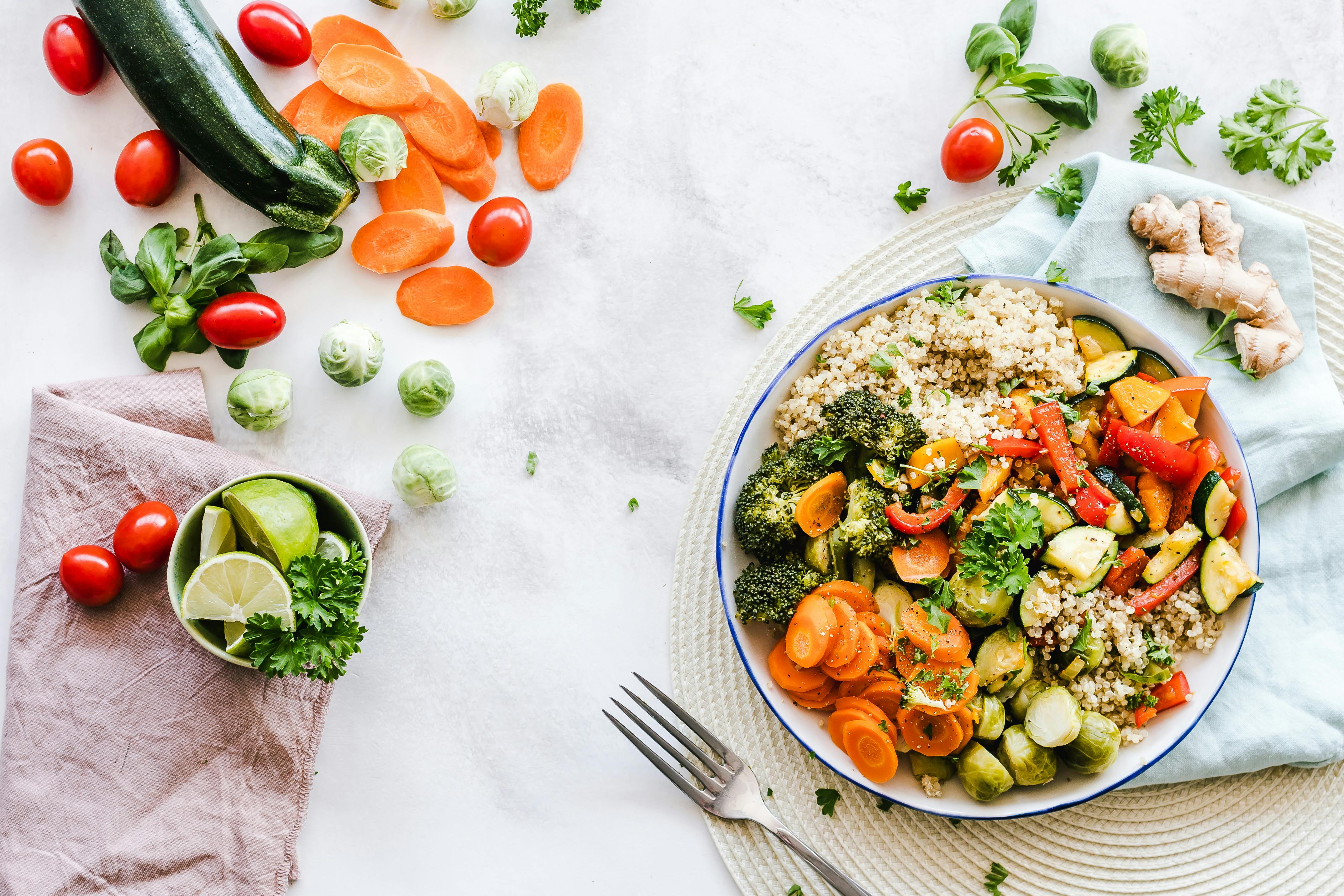
Vegetables are the ultimate weight loss food because they have an extremely low calorie density meaning you can eat large volumes of them for very few calories. They also provide massive amounts of fiber that slow digestion, improve gut health and keep you feeling full for hours.
By filling half your plate with non-starchy vegetables at every meal you naturally reduce the portions of higher-calorie foods while still eating a visually satisfying and physically filling amount of food.
Best low-calorie high-volume vegetables:
- Leafy greens spinach kale arugula and lettuce
- Cucumber which is 96 percent water
- Zucchini broccoli cauliflower and asparagus
- Bell peppers celery and mushrooms
- Tomatoes and cherry tomatoes
Trick 6: Stop Eating After 7 or 8 PM

Late-night eating is one of the biggest contributors to weight gain. After 7 or 8 PM your metabolism slows significantly, your activity levels drop and the calories you eat are far more likely to be stored as fat rather than burned for energy.
Setting a simple rule of no eating after a certain time each evening creates a natural daily fasting window that helps your body burn stored fat overnight. Many people find this one change alone leads to noticeable weight loss within just a few weeks.
What to do when late-night cravings hit:
- Drink a cup of warm herbal tea like chamomile or peppermint
- Drink a large glass of water and wait 15 minutes
- Brush your teeth which signals to your brain that eating is done for the day
- Distract yourself with reading a book or light stretching
- If truly hungry eat a small high-protein snack like Greek yogurt or a boiled egg
Trick 7: Meal Prep on Sundays
One of the biggest reasons people make poor food choices is that they're hungry and there's nothing healthy quickly available. When you don't have healthy food ready you end up ordering takeout grabbing fast food or eating whatever processed snack is within reach.
Spending 1 to 2 hours on Sunday preparing your meals and snacks for the week eliminates most of these impulsive poor food choices. You come home from a long day at work and instead of ordering pizza you reheat the grilled chicken and roasted vegetables you already prepared.
Simple Sunday meal prep checklist:
- Cook a large batch of protein like chicken breast ground turkey or hard-boiled eggs
- Roast a big tray of mixed vegetables
- Cook a large pot of brown rice quinoa or oats
- Wash and chop vegetables for easy snacking
- Portion out snacks into individual servings so they're grab-and-go ready
Trick 8: Never Grocery Shop When Hungry
This simple rule will save you from buying dozens of items you don't need and shouldn't eat. Studies show that people who grocery shop while hungry spend significantly more money and buy far more high-calorie processed foods compared to people who shop after eating.
Smart grocery shopping rules:
- Always eat a meal or snack before grocery shopping
- Shop with a specific list and stick to it strictly
- Shop the perimeter of the store where fresh whole foods are located
- Avoid the snack chips cookie and candy aisles entirely
- Order groceries online if possible to avoid impulse buying
Trick 9: Try Intermittent Fasting
Intermittent fasting is not a diet in the traditional sense. It's simply a pattern of eating that involves cycling between periods of eating and fasting. The most popular and beginner-friendly version is the 16:8 method where you eat all your meals within an 8-hour window and fast for the remaining 16 hours.
This works for weight loss because it naturally reduces the number of meals and snacks you eat, creates a calorie deficit without strict counting and allows your insulin levels to drop which encourages your body to burn stored fat for energy.
How to start the 16:8 intermittent fasting method:
- Stop eating at 8 PM every night
- Don't eat again until 12 PM the next day
- Eat all your meals between 12 PM and 8 PM
- Drink water black coffee or plain herbal tea during the fasting window
- Start with 12 hours and gradually extend to 16 hours as you adapt
Trick 10: Track What You Eat
Research consistently shows that people who track their food intake lose significantly more weight than those who don't. Tracking creates awareness of exactly how many calories you're actually consuming which is often very different from what people think they're eating.
You don't need to count every calorie forever. But doing it for 2 to 4 weeks gives you an accurate picture of your eating habits and reveals exactly where the excess calories are coming from so you can make targeted improvements.
Simple ways to track your food:
- Use a free app like MyFitnessPal or Cronometer
- Take a photo of everything you eat throughout the day
- Write down everything in a small food diary notebook
- Pay special attention to calorie-dense foods like oils nuts and sauces
Final Thoughts
You don't need to spend hours at the gym to lose weight. The majority of your results will come from what you eat and how you eat it. These 10 tricks work with your biology rather than against it, making weight loss feel more natural and sustainable.
Start with just two or three of these changes this week. As they become habits add more. Within a month you'll be eating in a way that naturally keeps you lean without ever setting foot in a gym.
Stay fit. Stay healthy. Stay vital.
— VitalFit USA Team


Comments
Post a Comment